
Laboratoire International (LIA) RUMQUAL
Le Laboratoire international RUMQUAL a été signé le 15 09 2023 entre Bordeaux Sciences Agro, INRAE et AgResearch (NZ)
RUMQUAL : Real time assessment and modelling of meat QUAlity from RUMinants
FRANCE:
Principal Investigator: Pr. Marie-Pierre ELLIES-OURY
Principal University: Bordeaux Sciences Agro
Principal Research Institute: INRAE, PHASE (UMRH)/TRANSFORM (QuaPA)
NEW ZEALAND:
Principal Investigator: Dr Carolina REALINI
Principal Research Institute: AgResearch Institute, Palmerston North, New Zealand
La recherche au sein du LIA-RUMQUAL sera menée à travers diverses activités qui tiennent compte de la distance entre la France et la Nouvelle-Zélande et des différences significatives entre les fuseaux horaires.
Le LIA encouragera notamment- des approches méthodologiques conjointes pour les analyses REIMS et certaines analyses NIRS ainsi que pour les traitements statistiques
- des échanges scientifiques bilatéraux à court, moyen et long terme
- des études synergiques menées dans les installations des différents laboratoires
- L'encadrement conjoint de stagiaires, doctorants ou post-doctorants basés soit dans les institutions françaises impliquées, soit à AgResearch, soit à mi-temps dans chacun des deux pays.
- Des webinaires réguliers
A cet égard, des rencontres sont d'ores et déjà prévues autour des principaux congrès internationaux tels que l'EEAP, le WAAP (en France) ou l'ICOMST (en Italie) en août-sept 2023 et août-sept 2024 (en 2024, l'EAAP et l'ICOMST se tiendront respectivement en Italie et au Brésil ; en 2025, ces congrès se tiendront respectivement en Autriche et en Espagne).
Objectif de l'INRAE : L'Institut national de recherche pour l'agriculture, l'alimentation et l'environnement - INRAE - a pour mission de réaliser des travaux scientifiques d'excellence afin d'apporter des solutions innovantes aux défis mondiaux, notamment le changement climatique, la biodiversité et la sécurité alimentaire, tout en permettant les transitions agro-écologiques, nutritionnelles et énergétiques indispensables. Cette recherche sert également à l'élaboration des politiques aux niveaux régional et international, contribuant ainsi à la réalisation des objectifs de développement durable.


Strengthening International Collaboration in Meat Quality Research: The France-New Zealand LIA-RUMQUAL Partnership.
LIA: INTERNATIONAL ASSOCIATED LABORATORY.
RUMQUAL project: Real time assessment & modelling of meat quality from ruminants.
A collaboration between Bioeconomy Science Institute-AgResearch Group and leading French institutions INRAe (National Research Institute for Agriculture, Food and Environment) and BxScAgro (Bordeaux Sciences Agro) is advancing international science in meat quality through the RUMQUAL project: Real-time assessment and modelling of meat quality from ruminants. This initiative is part of the International Associated Laboratory (LIA) agreement established between BSI-AgResearch and INRAe/BxScAgro in late 2023. The agreement was formally signed on 28 September 2023 in Bordeaux, France (Picture 1), marking a major milestone in strengthening France-New Zealand research links.
This signing ceremony marks the formal establishment of the LIA-RUMQUAL partnership and illustrates the strong institutional commitment supporting this international collaboration.
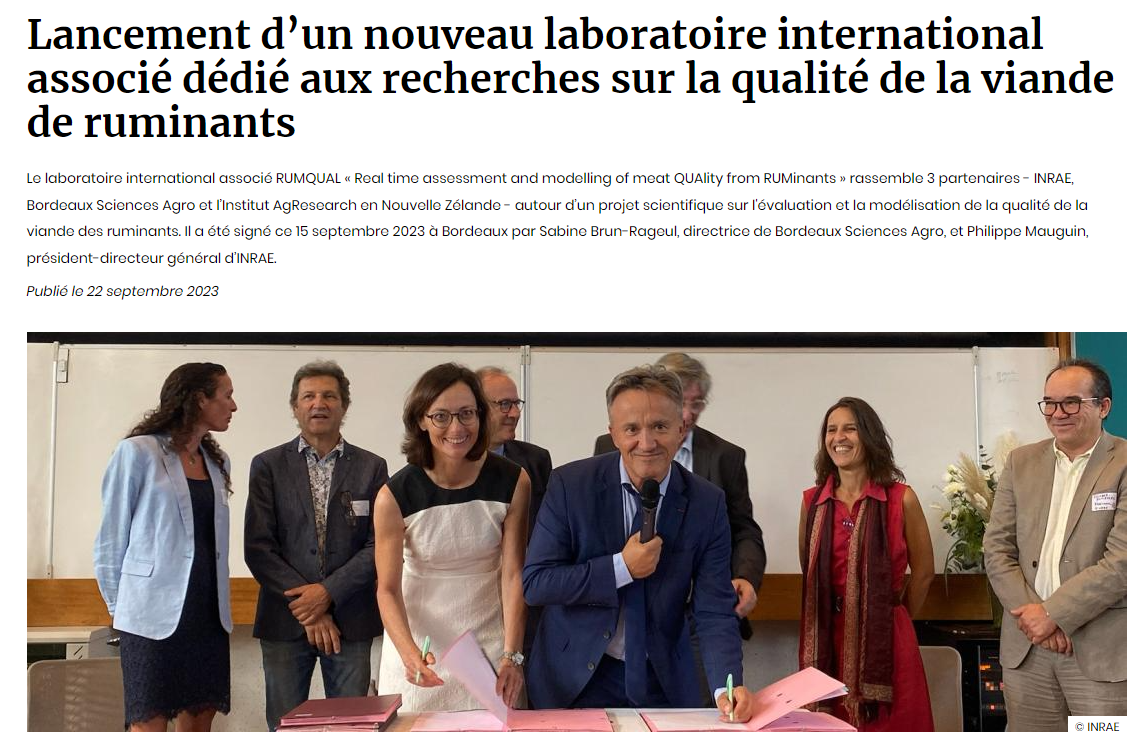
Picture 1: Signing ceremony of LIA-RUMQUAL collaboration agreement in September 2023 (Bordeaux, France). Back – left to right: Maire-Pierre Ellies-Oury, Thierry Astruc, Jean-François Hocquette (scientists involved in the LIA), Olivier Laviale (President of Nouvelle-Aquitaine - Bordeaux INRAe center), Ségolène Halley des Fontaines (Director of International Division, INRAe France), Abraham Escobar Gutierrez (President of Nouvelle-Aquitaine - Poitiers INRAe center). Front - left to right: Sabine Brun-Rageul (President of BSA, France), Philippe Mauguin (President, INRAe, France).
From Vision to Collaboration
The collaboration began after a French delegation’s visit to BSI-AgResearch, Massey University and Riddet Institute Te Rourou facility in Palmerston North in March 2023 (Picture 2). Discussions during this visit led to the co-development of the RUMQUAL project, co-led by Dr Carolina Realini (BSI-AgResearch) and Dr Marie-Pierre Ellies-Oury (INRAe/BSA, France).
The partnership brings together complementary expertise in animal and meat science, advanced analytics and modelling, and processing technologies to better understand, predict and enhance beef nutritional and eating quality, thereby strengthening the premium positioning of New Zealand and French red meat in domestic and global markets.
This visit was a key starting point for the collaboration, enabling exchanges between partners and leading to the co-construction of the RUMQUAL project.
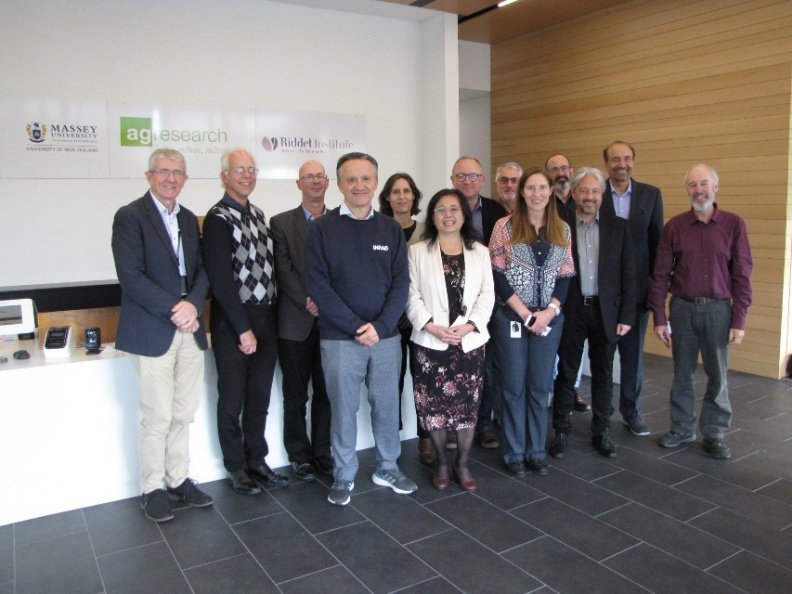
Picture 2: Visit of French delegation to BSI-AgResearch, Massey University and Riddet Institute Te Rourou facility in Palmerston North. Back - left to right: John Henley-King (Riddet Institute), Julian Heyes (Massey University), Simon Hall (Massey University), Ségolène Halley des Fontaines (Director of International Division, Inrae, France), Jean-François Hocquette (Scientific officer for Oceania, International Division, Inrae, France), Antony Scott (Science New Zealand), Carl Massarotto (Plant and Food Research), Harjinder Singh (Riddet Institute). Front - left to right: Philippe Mauguin (President INRAE, France), Li Day (Sector Manger: Food & Fibre and International, AgResearch), Carolina Realini (Senior Food Scientist, AgResearch), Eric Soulier (Head of Culture and Science, French Embassy), Jean-Michel Carnus (INRAE representative in Oceania, based in New Zealand).
The French and New Zealand collaborative Team
INRAe/BSA, France:
Marie-Pierre Ellies Oury (BxScAgro, UMRH), Thierry Astruc (QuaPA), Maia Meurillon (QuaPA), Adeline Berger (QuaPA), Jean-François Hocquette (URMH), John Albechaalany (BxScAgro), Yafang Cui (UMRH), Sandrine Papillon (BxScAgro).
BSI-AgResearch, New Zealand:
Food Technology & Processing (Te Rourou – Palmerston North) : Carolina Realini, Renyu Zhang, Marlon dos Reis, Yash Dixit, Noby Jacob, Christine Tu
Food Chemistry & Informatics (Te Rourou / Lincoln) : Alastair Ross, Vanessa Rupert, Olle Hartvigsson, Santanu Deb-Choudhury, Arvind Subbaraj, Dongwen Luo, Charles Hefer.
RUMQUAL’s contribution to INRAE’s 2030 strategic objectives and the priorities of the PHASE and TRANSFORM departments
RUMQUAL plays a key role in supporting INRAE’s 2030 ambitions by developing, through an integrated ‘from farm to fork’ approach, innovative knowledge and tools to better understand, predict and improve the quality of ruminant meat. At the interface between the challenges addressed by PHASE and TRANSFORM, the project links farming practices, food systems and processing conditions to the nutritional, technological and sensory qualities of meat products. It thus helps to produce scientific references useful for designing more sustainable farming systems, promoting the benefits of grassland systems, improving consumer satisfaction and strengthening the competitiveness of the meat sectors. By utilising cutting-edge analytical technologies (NIRS, REIMS, DART-MS), predictive modelling approaches and a unique international database, RUMQUAL also contributes to the development of rapid phenotyping tools and decision-support tools for stakeholders in research and the sectors. Finally, the project addresses INRAE’s cross-cutting priorities regarding internationalisation, collaborative science, training through research and attractiveness, thanks to a structured collaboration between France and New Zealand, the mobility of researchers and PhD students, the joint development of thesis projects, and a strong focus on publications and the dissemination of results.
Project Overview
The research, driven by input from the meat industry, focuses on three key themes or Work Packages (WP): WP1. Development of REIMS/NIRS databases, WP2. Modelling approaches, and WP3. Meat quality and processing for added value. The project aims to achieve world-leading scientific outputs and outcomes by creating an international database for validating meat quality markers and modelling tools, by generating predictive and classification models for meat quality assessment, by optimizing processing techniques like dry-aging and cooking to produce high-value meat quality products and by publishing and disseminating scientific results in high impact journals and through conferences and industry workshops. The impact of this research program includes the adoption of quality prediction tools by the meat industry, fostering a sustainable meat value chain, and meeting or exceeding consumer expectations. Ultimately, the program seeks to enhance meat quality, improve efficiency, and drive innovation in the meat industry. An overview of AIL-RUMQUAL is illustrated in Figure 1.
Principal Investigator – France: Pr. Marie-Pierre ELLIES-OURY
Principal University: Bordeaux Sciences Agro
Principal Research Institute: INRAE, PHASE (UMRH)/TRANSFORM (QuaPA)
Principal Investigator – NZ: Dr Carolina REALINI
Principal Research Institute: AgResearch Institute, Palmerston North, New Zealand
Work Package 1 - “International database of traditional and rapid measures” establishes a fit-for-purpose international database covering multiple production systems and consumer evaluations and traditional (instrumental, chemical) and rapid measures (Picture 3 - NIRS: Near Infrared Spectroscopy, Picture 4 - REIMS: Rapid Evaporative Ionization Spectroscopy) across New Zealand and France. While individual datasets often have limited numbers or scope, combining them provides the scale required for robust predictive and classification models strengthening modelling capability of product quality.
WP leader – INRAE: Jean-François Hocquette
WP leader – AgResearch: Alastair Ross
Within WP1, we established a shared database integrating datasets generated at Bordeaux Sciences Agro and AgResearch, providing a robust and complementary resource to investigate beef quality across production systems. At a later stage, this database is expected to be further enriched with data from the European INTAQT project coordinated by INRAE, although these data were not yet available during the reporting period
In addition, the PhD student Yafang Cui from INRAE had access to the database of a previous project conducted in France named EcoRegMeat3G. She had also access to different databases from AgResearch, CSIRO and Murdoch University in Perth.
Work Package 2 - “Modelling approaches of nutritional and eating quality meat traits” combines French and New Zealand datasets from WP1 to develop models predicting key nutritional and eating quality traits across production systems and muscles. Modelling focuses on consumer-relevant attributes such as tenderness, flavour, overall liking, and nutritional indices, aiming to improve eating quality prediction and support grading systems that enhance consumer satisfaction and industry value.
WP2 leader - INRAE: Marie-Pierre Ellies-Oury
WP2 leader - AgResearch: Carolina E. Realini
. Using the common dataset established within WP1, we investigated the effects of feeding strategies on intramuscular lipid content and fatty acid composition, highlighting, for example, that forage-based systems and flaxseed supplementation improved the nutritional quality of beef by reducing the n-6/n-3 ratio and enhancing PUFA content, while preserving overall meat quality. We also characterized muscle-specific differences in fat deposition and fatty acid profiles in New Zealand grass-fed cattle, showing marked variability between anatomical locations and emphasizing the importance of muscle type when assessing nutritional value. In parallel, this collaborative work enabled the development of a universal predictive model for ultimate pH in red meat using near-infrared spectroscopy, based on a large multisource dataset and multiple instruments, demonstrating the feasibility of robust, non-destructive prediction tools for meat quality assessment. Marie-Pierre Ellies spent one year at AgResearch in Palmerston North, which was instrumental in strengthening scientific links, consolidating methodological synergies, and fostering long-term collaboration. This mobility also enabled the co-construction of a PhD project focused on innovative meat quality prediction approaches, which successfully secured joint funding through a half PhD scholarship from Bordeaux Sciences Agro complemented by private co-funding.
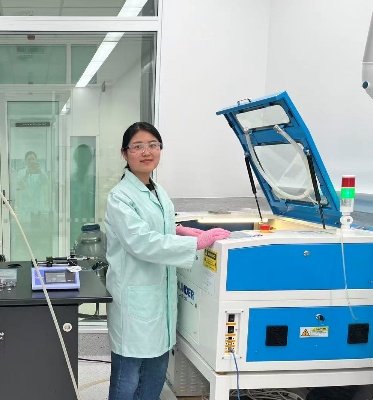
Work Package 3 - “Meat quality enhancement through processing explores how dry-ageing and cooking (Picture 5) affect flavour development using DART (Direct Analysis in Real Time, Picture 6), structure (microscopy), and the formation of potential toxicants (heterocyclic amines), generating insights to support high-value and flavour-rich meat products.
WP leader – INRAE: Thierry Astruc
WP leader – AgResearch: Santanu Deb-Choudhury
From the beginning of the project, we held regular videoconference meetings with the initial aim of designing a relevant experimental protocol to answer our research questions. Beef striploins from heifers and steers (n = 4 per sex) were subjected to either in-bag dry-ageing for 28 days (BD) or stepwise ageing (SA: 14 days wet-ageing followed by 14 days BD). Samples were cooked using sous-vide (SVP, 49 °C for 1 h) or oven precooking (OP, 49 °C for 24 h) followed 26 by pan-frying to a core temperature of 59 °C. Technological traits, including ageing and cooking losses, proximate composition, fatty acid profile, lipid oxidation, and shear force, were evaluated, alongside volatile fingerprinting using Direct Analysis in Real Time Mass Spectrometry (DART-MS). During the implementation of the protocol in New Zealand, muscle samples were collected in duplicate for each modality, 1) immersed in a chemical fixative for structure analysis, and 2) freeze-dried for Process Induced Toxicants analysis, and sent to INRAE QuaPA in France (authorization requested and obtained for sending the samples). This strategy allowed us to rigorously characterize the same muscles from the same animals, in France and New Zealand. The analyses were conducted in parallel at Agresearch and INRAe-QuaPA.
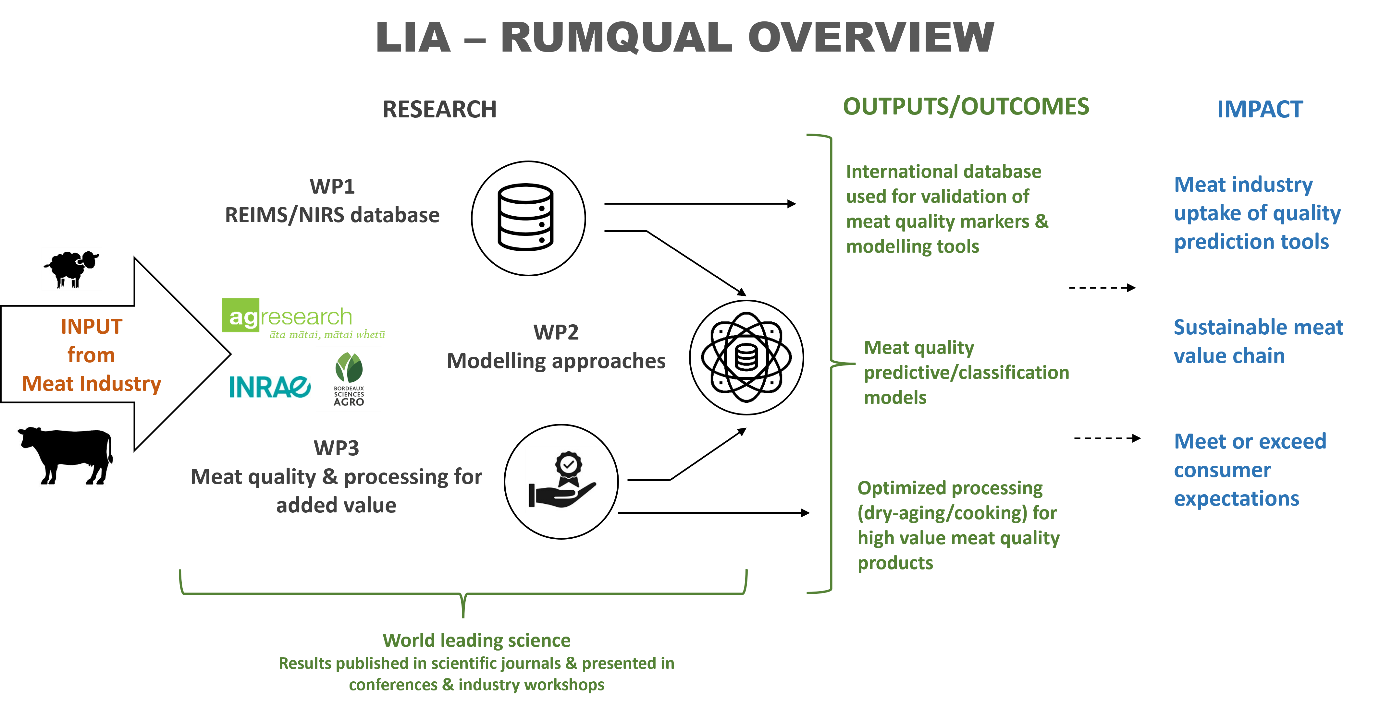
Figure 1. Overview of the International Associated Laboratory (LIA) and RUMQUAL project “Real-time assessment and modelling of meat quality from ruminants”.
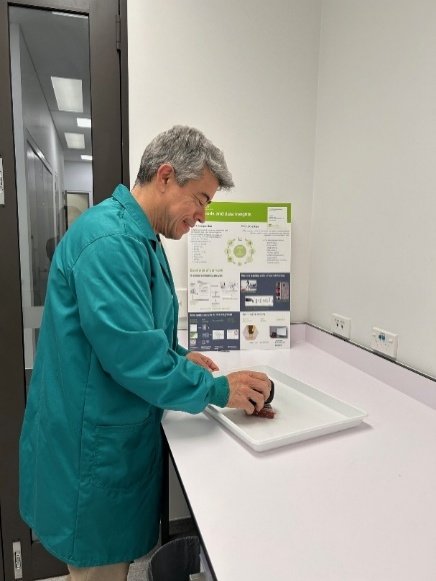
Picture 3. Marlon dos Reis taking NIRS measurements with a hand-held device (Te Rourou, Palmerston North). This picture illustrates the implementation of rapid, non-destructive technologies (NIRS) used to generate large datasets for real-time meat quality prediction.
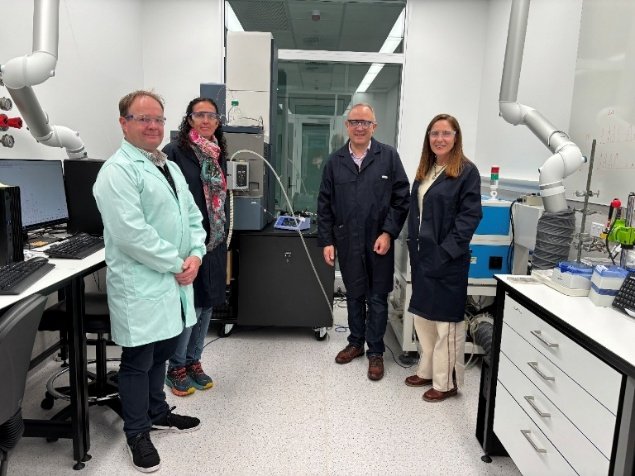
Picture 4. REIMS equipment. Alastair Ross, Marie-Pierre Ellies Oury, Jean-François Hocquette, Carolina Realini (Tuhiraki, Lincoln). This image highlights the use of advanced metabolomic tools (REIMS), which are central to identifying biomarkers and improving predictive models of meat quality.
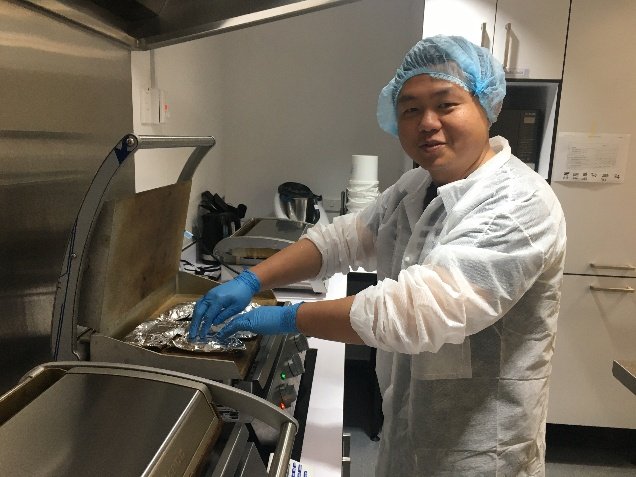
Picture 5. Renyu Zhang cooking meat samples for processing optimisation trial (Te Rourou/Feast, Palmerston North). This experiment exemplifies how processing conditions are studied to better understand and enhance flavour and technological meat quality.
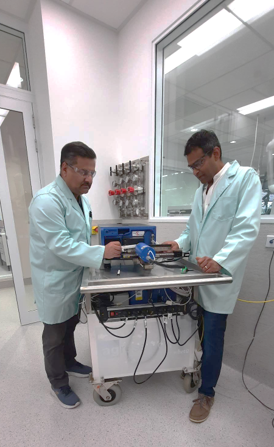
Picture 6. DART equipment. Santanu Deb-Choudhury and Arvind Subbaraj (Tuhiraki, Lincoln). This picture shows complementary analytical tools used to characterise flavour compounds and potential contaminants, contributing to a comprehensive evaluation of meat quality.
Strengthening Science Exchange
Dr Marie-Pierre Ellies-Oury spent 10 months at the joint Food Science Te Rourou facility, working alongside the BSI-AgResearch Food Technology and Processing team, Food Chemistry and Informatics team, and Proteins and Metabolites team. The work involved sample collection at New Zealand commercial meat plants (Picture 7), NIRS measurements (Picture 8), and data analysis and modelling of meat quality.
We farewelled Dr Marie-Pierre Ellies-Oury in May 2025 at Te Rourou (Pictures 9 and 10) and she will return in January 2026.
Yafang Cui, PhD student, spent one week in Christchurch in December 2025 and two weeks in February 2026 to analyse samples from the New Zealand project and from Australia (CSIRO, Murdoch university) using the REIMS technology.
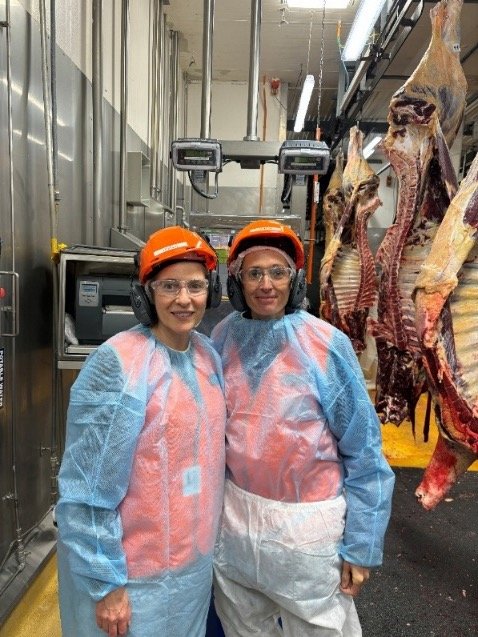
Picture 7. Marie-Pierre Ellies-Oury and Carolina Realini at a commercial meat plant. This fieldwork illustrates the connection between research and industry, with data collection under commercial conditions ensuring the applicability of results.
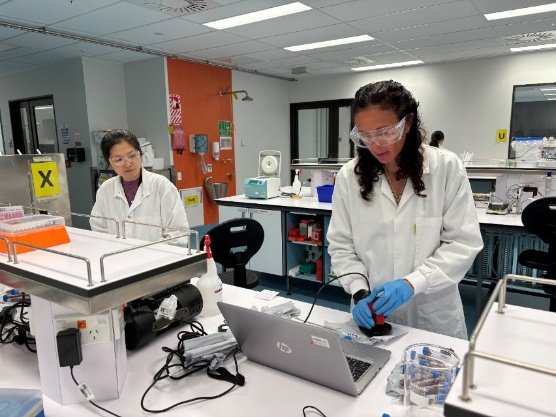
Picture 8. Marie-Pierre Ellies-Oury and Christine Tu taking NIRS measurements (Te Rourou, Palmerston North). This image highlights hands-on implementation of rapid measurement tools and collaborative work between researchers in real experimental conditions.
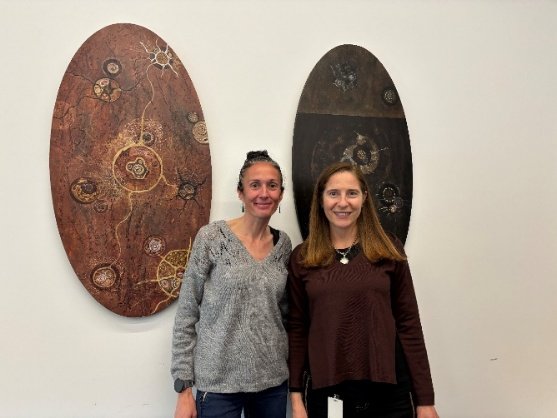
Picture 9. Marie-Pierre Ellies-Oury and Carolina Realini at Te Rourou. This informal moment reflects the strong scientific interaction and daily collaboration between French and New Zealand teams.
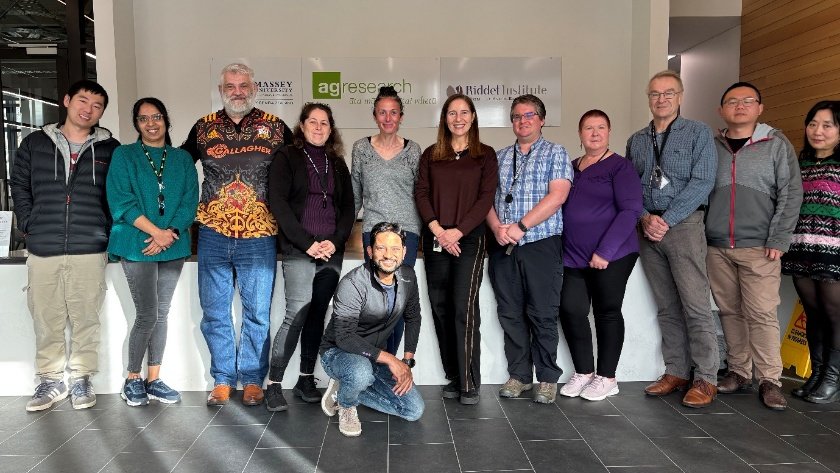
Picture 10. Farewell of Marie-Pierre Ellies-Oury at Te Rourou. Left to Right: Steve Zheng, Noby Jacob, Robert Wieliczko, Emmanuelle Riou, Marie-Pierre Ellies-Oury, Carolina Realini, David Hooks, Denise Martin, Mike Weeks, Renyu Zhang, Narsaa Na, and Yash Dixit. This farewell illustrates the human dimension of the collaboration, highlighting mobility and long-term relationships between partners.
Celebrating Partnership
In May 2025, Carolina Realini and Jean-François Hocquette (Research Director at INRAe, responsible for international relations with Oceania and the catalyst of the LIA-RUMQUAL) attended the 20th anniversary celebration of the Dumont d’Urville / Catalyst Seeding programme at the Royal Society Te Apārangi in Wellington (Picture 11). This event highlighted two decades of French-New Zealand scientific cooperation, with the LIA-RUMQUAL project standing as a leading example of productive collaboration between the two nations.
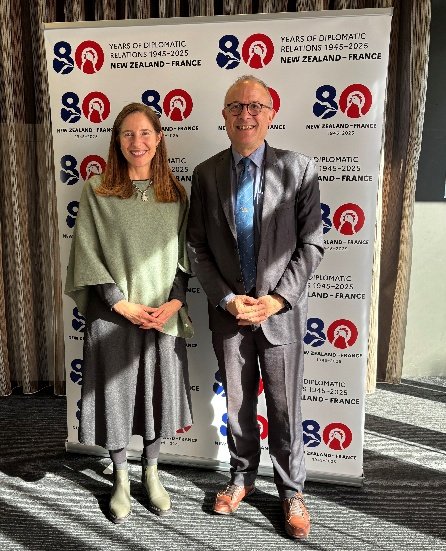
Picture 11. Carolina Realini (BSI-AgResearch) and Jean-François Hocquette (INRAe, France) (Royal Society Te Apārangi, Wellington). This event highlights the broader institutional framework supporting the collaboration and its recognition within long-standing international partnerships.
Science Outputs and Dissemination
The collaboration has already produced six peer-reviewed short communications presented at the EAAP (Innsbruck, Austria) and at 71st International Congress of Meat Science and Technology (ICoMST 2025) in Girona, Spain, one selected for oral presentation and invited as a full Meat Science manuscript (Picture 12). One manuscript has also been published, others were submitted to peer-reviewed journals, and others are in preparation (see at the end of this document).
At ICoMST 2025, members of the RUMQUAL team met with colleagues from Australia (CSIRO) to explore extending the collaboration (Picture 13). At that time, Yafang Cui’s PhD work (INTAQT) on beef quality grading was discussed and consolidated. This work illustrates the complementarity between the LIA-RUMQUAL (long-term structuring of international collaboration) and the JLC project with CSIRO funded by the INRAE PHASE division, which supports method standardisation (REIMS/NIRS), shared databases and modelling, and the mobility of young scientists
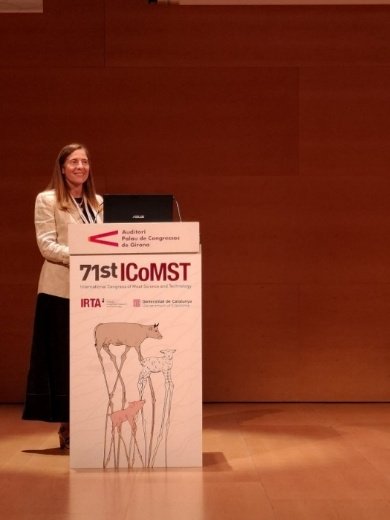
Picture 12. Carolina Realini presenting at ICoMST-2025 on “Traits to taste: modelling beef palatability using traditional and rapid analytical methods” (Girona, Spain). This presentation illustrates the scientific dissemination of RUMQUAL results at an international level.
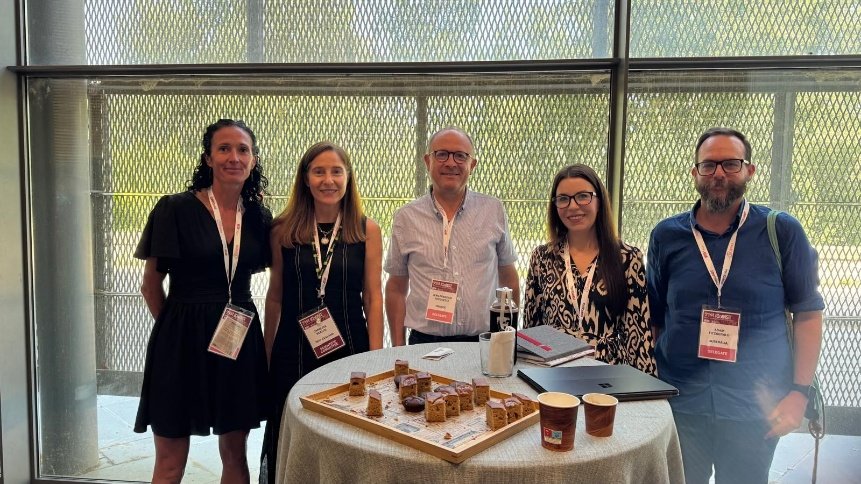
Picture 13: RUMQUAL meeting during ICoMST-2025. Left to right: Marie-Pierre Ellies-Oury (INRAe/BSA, France), Carolina Realini (BSI-AgResearch), Jean-François Hocquette (INRAe, France), Ciara McDonnell (CSIRO, Australia), Adam Fitzgerald (CSIRO, Australia). (Girona, Spain) This meeting reflects the openness of the consortium and its expansion towards new international partners, strengthening global collaboration.
PhD students
Three PhD students were included in the LIA project: Yafang Cui (PhD student in INRAE supported by the Chinese Scholarship Council), Marie-Thérèse Lattouf from January 2026 (50% funded by Bordeaux Sciences Agro and 50% by Plainemaison Aquitaine) and John Albechaanaly (post-doc).
Yafang Cui focuses on the development of a “Global Guaranteed Grading of Beef” approach, contributing to the INTAQT “One Quality” concept. By combining on-farm information, carcass traits, sensory consumer evaluations, and innovative tools (e.g. imaging, NIRS, REIMS metabolomics), her research aims to develop robust prediction models linking carcass data to eating quality, to identify biomarkers of meat quality, supporting early and objective prediction tools and to contribute to harmonized, science-based grading systems adapted to the diversity of production systems.
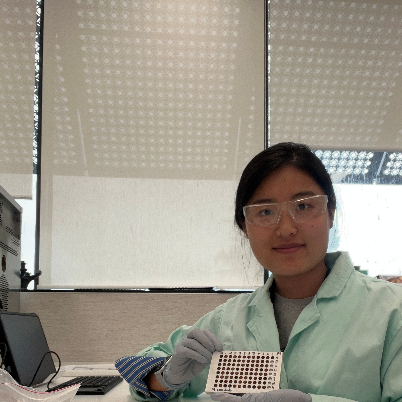
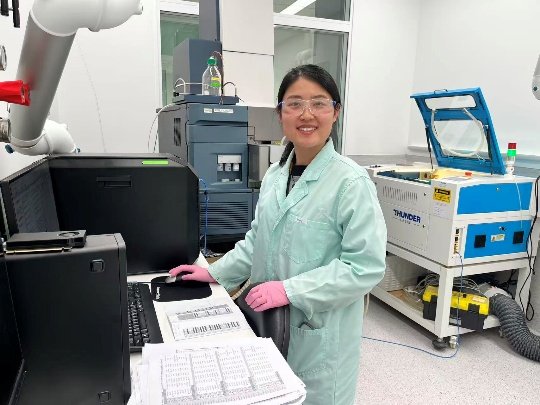
Picture 14: Yafang Cui (INRAE) working at AgResearch on the REIMS technology with Alastair Ross
John Albechaalany, for his part, specializes in the modelling and processing of spectral data. His work focuses on developing tools and methods for processing spectral data and linking it to various parameters of interest.
A PhD student (Marie-Thérèse Lattouf) has been confirmed to work on the RUMQUAL project starting in January 2026, funded by Bordeaux Sciences Agro and the French meat industry. This thesis will be co-supervised by Carolina Realini, Marie-Pierre Ellies Oury and Jérôme Sarraco (researcher in applied mathematics and statistics, France). Several colleagues involved in RUMQUAL will also be part of the thesis steering committee, including Renyu Zhang, Marlon dos Reis, Yash Dixit and Alastair Ross. This work will use the databases generated through LIA-RUMQUAL. Rapid technologies (NIRS, HSI, and REIMS) will be used to develop classification and predictive models for MSA marbling, sensory quality (MQ4), colour (L*, a*, b*), and nutritional attributes such as lipid content, fatty acid composition, and antioxidant levels.
Looking Ahead
The International Associated Laboratory and RUMQUAL project will continue to:
- Develop and validate real-time tools for predicting meat quality.
- Model factors affecting eating and nutritional quality.
- Advance innovative processing approaches for high-value meat products.
- Support joint training and exchanges between New Zealand and France.
- Publish research findings in peer-reviewed journals and present at international conferences.
- Explore opportunities for joint funding applications. For example, an international beef quality consortium is being discussed with Texas A&M University (USA), Life Sciences University (Poland), AgResearch (NZ) and CSIRO (Australia) in collaboration with the International meat Research 3R Foundation
- Dissemination of outcomes to industry stakeholders.
By combining complementary expertise and data from both hemispheres, RUMQUAL is setting the foundation for robust meat quality prediction models and innovative processing approaches, strengthening the sustainability and competitiveness of the red meat sector while enhancing scientific collaboration between France and New Zealand.
ICoMST-2025 and EAAP-2025 Communications:
- Realini, C.E., Zhang, R., Luo, D., Hocquette, J.F., Neveu, A., Polkinghorne, R., Dixit, Y., Reis, M.M., Ross, A.B., & Ellies-Oury, M.P. (2025). Traits to taste: Modelling beef palatability using traditional and rapid analytical methods. In Book of Abstracts of the 71st International Congress of Meat Science and Technology (ICoMST), August 3-8, Girona, Spain, 678-679.
- Realini, C.E., Zhang, R., Hannaford, R., Agnew, M., & Ellies-Oury, M.P. (2025). Intramuscular fat and fatty acid profiles in beef muscles from different anatomical locations of New Zealand grass-fed cattle. In Book of Abstracts of the 71st International Congress of Meat Science and Technology (ICoMST), August 3-8, Girona, Spain, 627-628. hal-05588299v1
- Ellies-Oury, M.-P., Papillon, S., Listrat, A., Andueza, D., & Realini, C.E. (2025). Impact of diet on diaphragm lipid composition from bovine females of various ages. In Book of Abstracts of the 71st International Congress of Meat Science and Technology (ICoMST), August 3-8, Girona, Spain, 257-258. hal-05588300v1
- Ellies-Oury, M.-P., Realini, C.E., Zhang, R., Dixit, Y., & Reis, M.M. (2025). Universal method for assessment of ultimate pH in red meat based on near-infrared spectroscopy (NIRS). In Book of Abstracts of the 71st International Congress of Meat Science and Technology (ICoMST), August 3-8, Girona, Spain, 324-315. hal-05588302v1
- Zhang, R., Deb-choudhury, S., Jacob, N., Subbaraj, A., Hefer, C., Ellies-Oury, M.P., Astruc, T., & Realini, C.E. (2025). Tailoring dry-ageing and cooking to enhance technological quality and volatile fingerprints in beef. In Book of Abstracts of the 71st International Congress of Meat Science and Technology (ICoMST), August 3-8, Girona, Spain, 373-374. hal-05588307v1
- Cui, Y., Perkins, L. S., Liu, J., Jia., W., Ross, A. B., Wang, J., Jia, W., ... Ellies-Oury, M.P., Scollan, N., & Hocquette, J. F. (2025). Beef quality grading using rapid evaporative ionization mass spectrometry (REIMS). EAAP, Innsbruck, Austria, August 25th-29th. hal-05588308v1
Publications
Peer-reviewed publications
Published:
- Cui, Y., Perkins, L. S., Liu, J., Ross, A. B., Wang, J., Jia, W., ... Ellies-Oury, M.P., Scollan, N., & Hocquette, J. F. (2026). Beef quality grading using rapid evaporative ionization mass spectrometry (REIMS). Meat Science, 237, 110076.
Submitted:
- Ellies-Oury M.P., Realini C.E., Zhang, R., Dixit, Y., Reis M.M. (2026). Development of a universal method for assessing pH in red meat based on Near-Infrared Spectroscopy (NIRS). Submitted to Meat Science.
- Zhang, R., Deb-choudhury, S., Jacob, N., Subbaraj, A., Hefer, C., Ellies-Oury, M.P., Astruc, T., & Realini, C.E. (2026). Tailoring dry-ageing and cooking to enhance technological quality and volatile fingerprints in beef striploin. Submitted to Meat Science.
- Ellies-Oury, M.-P., Papillon, S., Listrat, A., Andueza, D., & Realini, C.E. Concentrates in finishing diets of cows enhance carcass value and beef tenderness, whereas grass and linseed diets favour beef healthiness. Submitted to Animal Production Science.
In Preparation:
- Realini, C.E., Zhang, R., Luo, D., Hocquette, J.F., Neveu, A., Polkinghorne, R., Dixit, Y., Reis, M.M., Ross, A.B., & Ellies-Oury, M.P. (2026). Traits to taste: Modelling beef palatability using traditional and rapid analytical methods. To be submitted to Meat Science.
- Marlon, M.M.,………. Ellies-Oury M.P. (2026). Marlon will re-fit the pH model to a smaller FR dataset. To be submitted to Meat Science.
- J. Albechaalany, M. Reis, C. Realini, P.P. Rivet, S. Papillon, N. Mendès, J. Sarraco, M.P. Ellies-Oury (2026). Rapid prediction of nutritional lipid quality in beef using handheld spectroscopy (INDIGO): Toward real-time assessment of health-related fatty acid indices. The model will be validated with an external dataset and then submitted to Meat Science.
REIMS: Discrimination
Zhang, R…authors to be discussed (2026). Discrimination of groupings based on REIMS features from 2 studies: NZ data (4 animal groups + 4 cuts), FR data (3 diets + 2 cuts). To be submitted to Meat Science.
In data analysis:
- - Prediction of FA using REIMS (Ross A.)
- - Meat quality, MSA consumer data, FA composition (NZ data) (Realini C.)
- - WP3: HAs & Microscopy (Astruc T.)
Heterocyclic amine assays have been performed and data acquired. The results are currently being interpreted for potential use (article or scientific communication). A preliminary discussion will take place with our WP3 collaborators to refine the dissemination strategy.
Electron microscopy data were only partially acquired due to some section damage under the electron beam. The missing sections have been re-done, and further observations and image acquisition are still required. Quantitative sarcomere length analyses were performed on one replicate. It is necessary to acquire and analyze images on the second set to obtain duplicate results.
Our project to prepare histological sections to characterize the effect of treatments on structural evolution has failed. Due to a problem with chemical fixation, the histological sections are unusable for acquiring reliable data. We will therefore perform these analyses on resin-embedded samples, which provide high-quality sections. However, this way is much more laborious and will likely require several additional months of work.
We did not have funding for this project and consequently were unable to recruit non-permanent staff to compensate for the technical issues that delayed us.
Metrics
Number of publications: 5 papers + 1 accepted publication
- Joint participation in international conferences (EAAP Lyon, ICOMST Gerona)
- Various meetings between members of the Laboratory in France and New Zealand
- A monthly meeting of each work package involving the two leaders (Realini C., Ellies-Oury M.P.) and ad hoc meetings of the various work package stakeholders as the work progresses.
- Number of outgoing mobility: 2 => Marie Pierre Ellies Oury (10 months – Palmerston North NZ); Yafang Ciu (1 month – Christchurch NZ)
- Number of incoming mobility: 0
- Number of theses involved: 2 => Yafang Ciu; Marie Thérèse Lattouf (Joint supervision France – NZ)
- Number of joint responses to calls for proposals: 1 (PhD scholarship, 50% funded by Bordeaux Sciences Agro and 50% by Plainemaison Aquitaine)
- Number of joint responses to international calls for proposals: 0
- Number and amount of external funding obtained in addition to that from the instrument: €63,000 (PhD grant)